Sealcoat vs. Repave: Making the Best Decision for Your Pavement Needs Jul 02, 2026
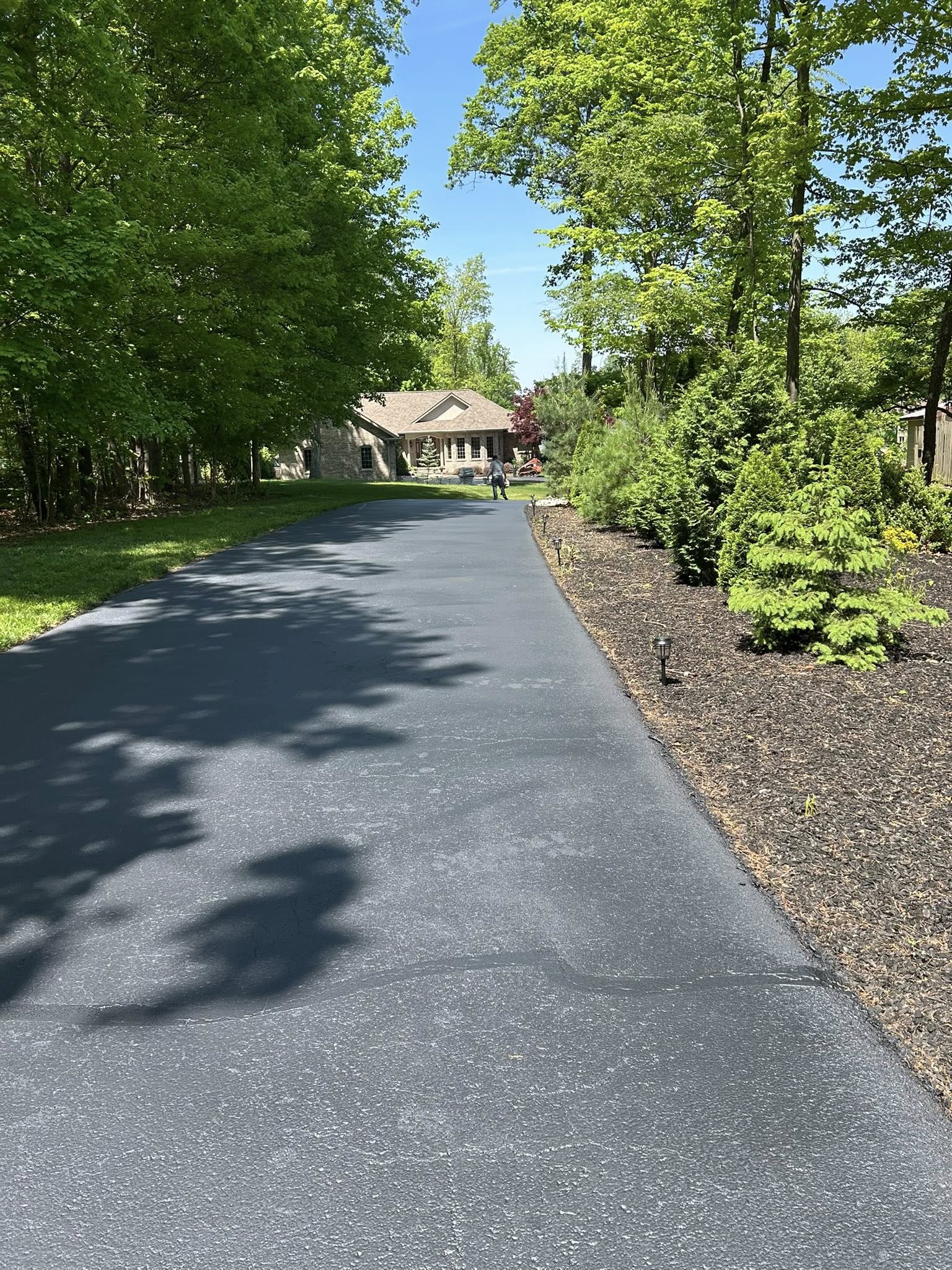
Sealcoating is a popular maintenance technique that involves applying a protective coating over your existing asphalt surface. This process serves multiple purposes: it slows down the deterioration caused by weather conditions, enhances the appearance of your pavement, and extends its lifespan. Sealcoating is particularly beneficial for surfaces that are still structurally sound but are starting to show signs of wear and tear. By filling small cracks and voids, it prevents moisture from seeping in, which can lead to more substantial damage over time.
In terms of cost, sealcoating is a more budget-friendly option. It provides an immediate facelift to your parking lot or driveway without requiring a significant investment. For those looking to preserve their pavement and delay larger expenses, sealcoating is an excellent choice. However, it's important to note that this process is not a permanent solution and typically needs to be redone every few years to maintain optimal results.
On the other hand, repaving involves completely removing the existing asphalt and laying down a new surface. While this option is more costly, it is ideal for pavements that have exceeded their lifespan or are severely damaged. Repaving ensures a brand-new, structurally sound surface that can last for decades if properly maintained.
Choosing to repave is often a strategic investment in the longevity of your pavement. It allows for the correction of underlying structural issues such as deep cracks or drainage problems that sealcoating cannot address. By starting from scratch, you have the advantage of upgrading your pavement to accommodate changes in traffic patterns or comply with the latest regulations and materials.
Now that we've outlined both options, how do you decide which is best for your needs? A good starting point is to assess the current condition of your pavement. If you notice widespread cracks, potholes, or alligator cracking (a series of connected cracks resembling the skin of an alligator), repaving is likely the more prudent choice. On the other hand, if the surface is mostly intact with only minor wear, sealcoating can provide the protection you need to prevent further damage.
It's also wise to factor in your long-term plans and budget. If you're preparing a property for sale or lease, a new surface might be more appealing to prospective buyers or tenants, justifying the expense of repaving. For homeowners or business owners looking to keep costs down while maintaining a decent appearance, sealcoating offers an effective short-term solution.
In conclusion, both sealcoating and repaving have their distinct advantages and applications. By carefully evaluating the condition of your pavement and your financial considerations, you can make a decision that best suits your situation. At Always Sealcoating & Paving, we are here to provide expert advice and quality services to help you achieve the best results for your pavement needs. Whether you choose to sealcoat or repave, investing in the care of your asphalt is a step towards preserving its function and appearance for years to come.
/filters:no_upscale()/filters:format(webp)/media/96a33ba0-ff97-4d75-a9b7-29cf7632fec3.jpeg)